
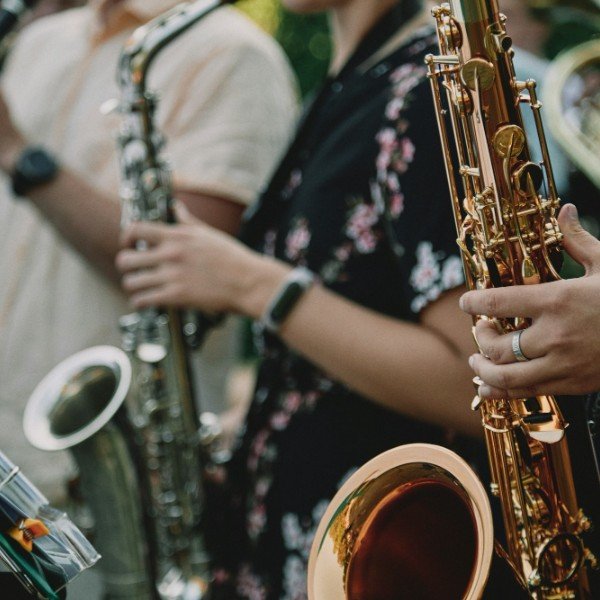
Saxophone Essential Lessons from Beginning to Mastery
The saxophone is a versatile and expressive instrument. It’s a gateway to a world of musical exploration. Whether you’re a beginner or a parent evaluating music lessons for your child, considering Music in Chappaqua is a good decision.
We introduce the saxophone by getting familiar with the parts of the instrument and learning how to care for it. We teach the importance of posture, breathing, and embouchure. We introduce reading music and finger movement over the saxophone. There are cognitive development benefits of music lessons for children. At Music in Chappaqua, we surround students with a positive environment and a community of musicians supporting each other throughout their musical journey. Let us guide you on this exciting journey towards mastering the saxophone.
Discovering the Saxophone: A Beginner's Guide
The saxophone is a fascinating instrument with a rich history. It was invented by Adolphe Sax in the 1840s. This woodwind instrument stands out for its dynamic range and soulful sound. It is popular in jazz, classical, and pop music. Beginners often start with the alto or tenor saxophone. These types are user-friendly and great for learning fundamental techniques. Choosing the right type of saxophone is crucial. It should suit your musical interests and physical build.
Choosing the Right Saxophone for You
Selecting the ideal saxophone can be overwhelming for new learners. Understanding your needs simplifies the decision-making process.
Consider these factors when choosing a saxophone:
- Type: Decide between alto, tenor, soprano, or baritone.
- Quality: Research different brands for durability and sound.
- Personal Preference: Consider which style suits your taste and comfort.
The right saxophone enhances your learning experience. Pay attention to how it feels and sounds to ensure it fits your aspirations as a budding saxophonist. It sets the foundation for enjoyable and effective practice sessions.
The Anatomy of a Saxophone: Maintenance and Care
Knowing the parts of a saxophone helps in its care and repair. Each part – neck, body and bell – requires specific care for optimal performance. Regular maintenance extends the saxophone’s life. Follow this simple checklist:
- Wipe the saxophone with a clean cloth after every use.
- Check pads and corks for wear.
- Store the instrument in a suitable case.
Cleaning and caring for your saxophone maintains its tone quality. Treat your instrument well for lasting musical enjoyment.
Establishing the Fundamentals: Posture, Breathing, and Embouchure
Proper posture is vital for playing the saxophone. Stand with feet shoulder-width apart.
Keep your back straight but relaxed. This helps in producing steady tones. Effective breathing is the foundation of good sound. Use your diaphragm for deeper breaths. Practice breathing exercises to strengthen lung capacity. This improves tone and stamina. Embouchure refers to mouth position on the mouthpiece. A firm but not tight grip is essential. Focus on maintaining consistent lip pressure. This ensures clear, controlled sound production. Mastering these basics creates a solid foundation. It enhances overall playing ability and enjoyment.
Reading Music and Saxophone Fingering
Learning to read sheet music is crucial. It allows you to play diverse compositions. Understanding musical notation opens new horizons. You’ll grasp rhythm, pitch, and dynamics. A saxophone fingering chart is a vital tool. It helps you locate notes quickly.
Basic Music Reading Tips:
- Start with simple songs.
- Practice note recognition daily.
- Use mnemonic devices for clefs.
Improving your music sight-reading requires patience. It’s a skill that develops over time.
Focus on connecting notes seamlessly. This ensures smooth transitions when playing.
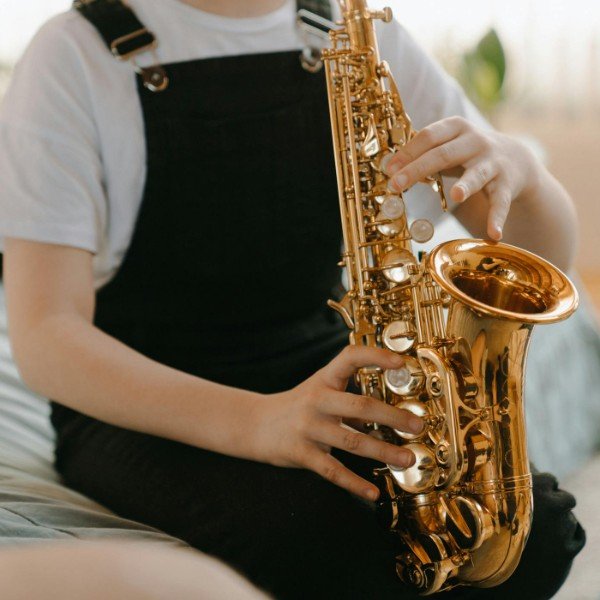
Practice Makes Perfect: Effective Practice Techniques
Consistency in practice is key to progress. Set aside regular time each day for practice.
Begin with a warm-up routine to prepare your muscles and enhance focus.
Structure your practice sessions. This keeps you organized and targets specific areas.
Tips for Effective Practice:
- Set clear goals for each session.
- Use a metronome to maintain rhythm.
- Record yourself to monitor progress.
Break down challenging passages. Work on them slowly before gradually increasing speed. Incorporate varied exercises to maintain engagement and prevent boredom.
The Benefits of Music Lessons for Children
Music lessons offer many advantages for children. They boost cognitive development and enhance academic performance. Learning an instrument like the saxophone requires focus. This improves concentration and listening skills in kids. Playing music can also build self-esteem. Children gain confidence from mastering new skills.
Music fosters creativity and emotional expression. Kids learn to convey feelings through sound.
Music Lesson Benefits for Children:
- Enhanced memory and learning capacity.
- Better social skills through group lessons.
- Increased patience and discipline.
Engaging with music helps children connect with others. It supports teamwork and collaboration. Encourage your child to try music lessons. The lifelong benefits are profound and rewarding. Patience is integral to success. Progress may take time, but persistence leads to mastery. Stay motivated and celebrate each achievement. Remember – every professional started as a beginner.

Dave Bickler, lead singer of Survivor with Angier after performance with Music in Chappaqua faculty band
Finding Support and Community as a Learner
Connecting with fellow saxophone learners can greatly enhance your journey. Bring a positive attitude and a readiness to learn. Each note played is a step toward musical artistry. Attending live performances enables students to observe skilled players. This offers valuable learning opportunities and may even lead to inspiration. At Music in Chappaqua, we help students develop their talent, connect with others, and embrace self-expression throughout their journey towards mastery. Begin the process by filling out our form to develop the best program for you or your student.
Frequently Asked Questions
- How early should I start saxophone lessons for my child?
- How long does it typically take for my child to become a good saxophone player?
- What are good warmup exercises for aspiring saxophone players?
- What are instructors like at Music in Chappaqua?
We are ready to answer your questions at (914) 238-3123
ALUMNI COLLEGE ACCEPTANCES

Get in touch with Music in Chappaqua
Serving music students in Chappaqua, Pleasantville, Armonk, Briarcliff Manor, Millwood & Northern Westchester
- 225 North Greeley Avenue, Chappaqua, NY 10514